

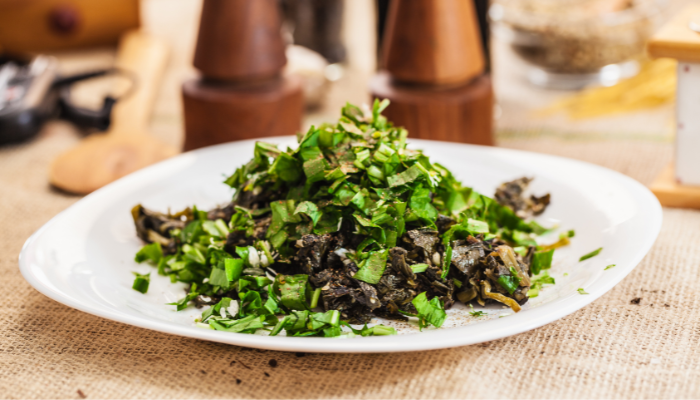
Introduction to Friarielli
Friarielli is one of those ingredients that tells a story the moment it hits the pan. Deep green, slightly bitter, and intensely aromatic, friarielli is a staple of Southern Italian cooking, especially in Naples and the Campania region. It is simple, honest food, yet layered with history, tradition, and bold flavor.
While it is often confused with broccoli rabe, friarielli has its own identity. Italians do not treat it as just another vegetable. They treat it as a symbol of home cooking, street food culture, and seasonal eating. Understanding friarielli means understanding a piece of Italy itself.
In this guide, we explore what friarielli really is, where it comes from, how it tastes, how it is cooked, and why it continues to win over chefs and home cooks around the world.
What Is Friarielli
Friarielli refers to the tender leaves and flowering tops of young rapini plants. In Italy, the term varies by region, which often leads to confusion. In Campania, friarielli specifically describes the leafy green used in classic Neapolitan dishes. In other regions, similar vegetables may be called cime di rapa or broccoli di rape.
What sets friarielli apart is not just the plant itself but how it is harvested and cooked. The leaves are young, delicate, and packed with flavor. They are never bland and never meant to be subtle.
Friarielli is known for its pleasantly bitter taste, balanced by garlic, olive oil, and chili when cooked the traditional way.
The Origins of Friarielli in Italian Cuisine
Friarielli has deep roots in Southern Italy, particularly in Naples. Historically, it was considered food for the working class. It grew easily, required little maintenance, and could feed families during colder months.
Neapolitan cuisine has always been about making the most of humble ingredients. Friarielli fit perfectly into that philosophy. It could be sautéed quickly, paired with inexpensive cuts of meat, or eaten with bread for a filling meal.
Over time, what was once peasant food became a symbol of regional pride. Today, friarielli is celebrated in homes, trattorias, and even high end restaurants.
Friarielli vs Broccoli Rabe
Outside Italy, friarielli is often translated as broccoli rabe. While they are related, they are not exactly the same.
Broccoli rabe sold in international markets is often more mature and slightly tougher. Friarielli in Italy is typically harvested younger, resulting in a softer texture and more balanced bitterness.
The difference may seem small, but to Italians, it matters. The cooking time, texture, and final flavor all depend on using the right greens at the right stage.
If friarielli is unavailable, broccoli rabe can be used as a substitute, but traditionalists will always notice the difference.
Flavor Profile of Friarielli
Friarielli has a bold, assertive taste. The bitterness is front and center, but it is not harsh. When cooked properly, it becomes rich, savory, and deeply satisfying.
Garlic enhances its natural intensity. Olive oil adds smoothness. Chili flakes bring warmth. Together, they transform friarielli into something far greater than the sum of its parts.
This flavor profile makes friarielli a perfect match for rich foods like sausage, pork, and aged cheeses. It cuts through fat and balances heavy dishes beautifully.
Nutritional Value of Friarielli
Beyond flavor, friarielli is highly nutritious. It is low in calories but rich in essential vitamins and minerals.
Friarielli is a strong source of vitamin C, vitamin A, and vitamin K. It also contains calcium, iron, and fiber, making it beneficial for bone health and digestion.
Like many bitter greens, friarielli is valued for its antioxidant properties. In traditional Italian households, it is often associated with cleansing and seasonal renewal.
Eating friarielli is not just about pleasure. It is also about nourishment.
How Friarielli Is Traditionally Cooked
Classic Neapolitan Method
The most traditional way to cook friarielli is simple and fast. The greens are cleaned, lightly boiled or blanched, then sautéed in olive oil with garlic and chili.
The goal is not to mask the bitterness but to highlight it. Overcooking is avoided. The leaves should remain tender but vibrant.
This preparation is often served as a side dish or used as a filling for sandwiches and pizzas.
Friarielli with Sausage
One of the most iconic pairings in Italian cuisine is sausage and friarielli. The richness of pork sausage contrasts perfectly with the bitter greens.
In Naples, this combination is commonly found in panini sold by street vendors. It is hearty, flavorful, and deeply comforting.
The sausage is browned first, then combined with the sautéed friarielli so the flavors meld together.
Read Also: Neatlanta: A Complete Guide to Living, Working, and Investing in Northeast Atlanta
Friarielli on Pizza
Friarielli has earned a respected place in Neapolitan pizza culture. It is often paired with sausage, provolone, or mozzarella on thin crust pizza.
The bitterness of the greens balances the richness of cheese and meat, creating a pizza that feels bold yet balanced.
Unlike many toppings, friarielli is not meant to dominate. It adds depth and character without overwhelming the base.
Friarielli in Pasta Dishes
Pasta with friarielli is another classic preparation. Orecchiette is the most common choice, as its shape holds the greens beautifully.
The pasta is tossed with friarielli, garlic, olive oil, and sometimes anchovies. The result is a dish that feels rustic yet refined.
This is the kind of pasta Italians cook at home, especially during colder months.
Seasonality and Availability
Friarielli is traditionally a winter vegetable. Its peak season runs from late fall through early spring.
In Italy, seasonality matters deeply. Friarielli eaten at the right time tastes better, cooks better, and feels more meaningful.
Outside Italy, availability can vary. Specialty Italian markets and farmers’ markets are the best places to find fresh, high-quality greens.
Frozen friarielli is also common in Italy and can be a practical option when fresh is unavailable.
How to Choose and Store Friarielli
When selecting friarielli, look for bright green leaves with no yellowing. The stems should be tender, not woody.
Fresh friarielli should smell clean and earthy. Any sour or overly strong odor is a sign of age.
Store friarielli in the refrigerator, wrapped loosely in a breathable bag. It is best used within a few days to preserve flavor and texture.
Friarielli in Modern Cuisine
While deeply traditional, friarielli has found a place in modern cooking. Chefs use it in creative ways, from gourmet sandwiches to upscale tasting menus.
It pairs well with seafood, eggs, and even plant-based proteins. Its bitterness adds complexity that modern cuisine often seeks.
Despite innovation, the heart of friarielli remains unchanged. It is still about simplicity and respect for ingredients.
Why Friarielli Matters
Friarielli is more than a vegetable. It represents regional identity, seasonal cooking, and the beauty of bold flavors.
In a world of mild and processed foods, friarielli stands out by being unapologetically itself. It does not try to please everyone, and that is exactly why it is loved.
Cooking friarielli is an act of tradition. Eating it is an act of connection to generations of Italian kitchens.
Final Thoughts on Friarielli
Friarielli teaches an important lesson about food. Great flavor does not require complexity. It requires understanding and care.
Whether served alongside sausage, folded into pasta, or spread across a pizza, friarielli brings depth and authenticity to every dish.
If you want to read more information, visit