




Choosing between silk and real flowers for an event can be a matter of style, convenience, and environmental considerations. Each option carries distinct advantages and drawbacks that must be carefully weighed against the event’s needs and the organizer’s vision. Whether it’s a wedding, a corporate event, or a casual gathering, the decision can significantly impact the event’s atmosphere and guest experience.
Beyond mere aesthetics, factors like longevity, maintenance, cost-effectiveness, and allergenic concerns are vital to consider. In this article, we delve into these aspects to help you make an informed choice that aligns with your event’s objectives and values. Flowers made from silk flowers, such as those found in various arrangements, can provide a beautiful alternative to fresh blooms.
Comparing Silk and Real Flowers for Event Aesthetics

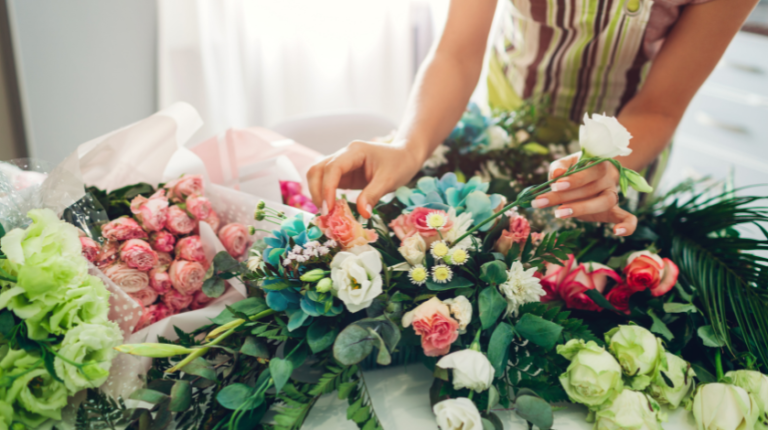
When it comes to creating a stunning visual impact, real flowers often hold the upper hand with their natural beauty and fragrance. They bring a fresh and authentic feel to any event space, enhancing the venue with a sense of luxury and vitality. This allure is especially potent in settings where the aesthetic is a top priority, such as weddings or high-end galas.
However, silk flowers offer a lasting beauty and can be virtually indistinguishable from their real counterparts, especially in high-quality arrangements. They allow for perfect consistency in color and form, and can be molded into shapes or designs that might not be feasible with real blooms. Plus, silk flowers are immune to weather changes, retaining their pristine appearance throughout the event.
For organizers, considering the event’s theme and expected conditions will guide the decision. An outdoor summer wedding might benefit from real flowers for their natural beauty and scent, while an indoor conference might opt for silk flowers for their uniformity and resistance to wilting.
Longevity and Maintenance: Silk vs. Real Flowers
Silk flowers offer a clear advantage in terms of longevity and maintenance. They are not subject to wilting, browning, or water damage, which makes them a reliable choice for events spanning multiple days or for reuse at future functions. This durability also allows them to be prepared well in advance of the event, reducing last-minute stress.
Real flowers, on the other hand, require careful handling and a controlled environment to maintain their appearance. This can mean refrigerated storage, meticulous transport, and regular watering, all of which add layers of complexity to event planning. Still, many florists offer maintenance services to ensure real flowers stay vibrant for the duration of an event.
For events with a tight timeline or limited access to floral maintenance resources, silk flowers can be a convenient and worry-free alternative. However, if the event budget and logistics allow, the ephemeral beauty of real flowers might be worth the extra care they demand.
Evaluating Cost-Effectiveness for Events: Silk Versus Real Flowers
The cost of silk versus real flowers can vary widely depending on factors like the seasonal availability of certain blooms and the intricacy of the arrangements. Generally speaking, silk flowers can be more cost-effective in the long term because they can be reused and do not require the ongoing expenses associated with preserving real flowers.
Real flowers might have a lower initial cost, particularly if chosen from in-season varieties, but they can become pricier due to the need for professional florist services and maintenance. Additionally, if the event demands exotic or out-of-season flowers, the expense can increase dramatically. Meanwhile, opportunity costs should be taken into account; although silk flowers might be more expensive upfront, they hold value over time.
When budgeting for an event, planners should consider not only the direct costs but also the longevity and potential reuse of the floral arrangements. Compare quotes for both silk and real flowers, factoring in all associated costs, to determine the most economical choice.
Environmental and Allergenic Considerations in Flower Selection
The environmental impact of flower choice is not to be overlooked. Silk flowers, often made from synthetic materials like polyester, have a longer life cycle but may contribute to plastic pollution if not disposed of properly. Conversely, real flowers are biodegradable but come with their own environmental footprint, including water usage, pesticide use, and carbon emissions from transportation.
Additionally, real flowers may pose allergenic risks to sensitive guests. Pollen from certain flowers can trigger allergic reactions, which may affect attendee comfort. Silk flowers are hypoallergenic and present a safer choice for those concerned about potential allergens at their event. Considerations like these play a significant role in the sustainability and inclusivity of an event’s floral arrangements.
Event organizers are encouraged to research eco-friendly options within both silk and real flowers, such as sourcing from local growers or choosing silk flowers made from recycled materials. Thoughtful choices can mitigate environmental concerns and ensure the well-being of all guests.
Overall, the debate between silk and real flowers for an event involves multiple variables that extend beyond mere visual preference. Aesthetics, longevity, cost, environmental impact, and allergenic risks all contribute to the decision-making process. By carefully weighing these factors, event planners can select the best floral arrangements to match their event’s theme, budget, and ethical considerations, ultimately enhancing the overall experience for their guests
