
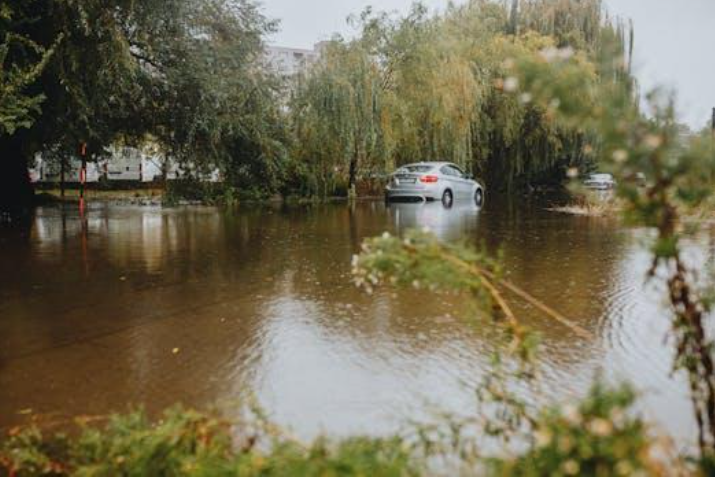
Flooding no longer behaves like a polite seasonal visitor. It barges in, fuelled by warmer air, harder rain, and cities packed with sealed surfaces that treat water like an enemy to be bounced elsewhere. Old drainage plans were based on yesterday’s storms. That assumption now looks like Victorian plumbing in a server room. Smart infrastructure turns the city into a sensing, thinking machine. Not a sci‑fi fantasy. This system functions as a practical nervous system, identifying problems early, directing water with purpose, and preventing unexpected events that could transform streets into rivers. This shift changes budgets, training, and daily habits.
Sensors That Refuse to Guess
Flood risk management begins with measurement, not optimism. Networks of rain gauges, river level sensors, and soil probes feed live data into control rooms that don’t rely on yesterday’s averages. Some councils even follow specialist approaches and suppliers such as Modular Cubed (modularcubed.co.uk) for example, because hardware choices matter when grit, frost, and vandalism arrive. Data is then fed into models that update every few minutes. That means crews don’t chase rumours. They chase numbers. Numbers can’t panic. They can, though, scream when a culvert starts backing up. Calibration matters. Bad sensors breed bad decisions.
Drains with Brains
No city can talk about intelligence with stupid valves. Smart sluices, pumps, and penstocks adjust flows before bottlenecks based on projections and upstream data. Storage tanks are intentionally filled. Permeable paving and green roofs combine to keep water high and slow rather than in claustrophobic pipes. Control software can stagger discharges to avoid dumping peak flow into the river at worst. Orchestration saves basements. It saves tempers. Engineers test scenarios, not platitudes.
Warnings That People Actually Trust
Public alerts often fall short when they overstate the situation. Smart systems improve credibility by tying messages to precise thresholds and locations, street by street. A flooded underpass needs a warning now, not a general notice that covers half a county. Digital signs, apps, and connected traffic lights reroute vehicles away from danger, which reduces the chaos that blocks emergency access. Insurance and social care teams can also quickly see verified impacts. Speed matters. A ten-minute head start can move stock, lift sockets, and get vulnerable residents upstairs. Trust grows when messages match reality.
Maintenance Without the Theatre
Cities love ribbon cuttings and hate cleaning. Flood resilience depends on cleaning. Smart inspection reverses the situation by identifying issues early. Cameras inside pipes, pressure sensors on pumps, and anomaly detection in flow data identify blockages, silt build-up, and failing bearings. Crews then fix what is likely to break, not what is simply scheduled. That shift saves money, which politicians adore, and it avoids the grotesque spectacle of emergency call-outs during storms. Reliability turns into a habit. Habits beat heroics. Asset registers, which are detailed lists of a company’s assets, also improve, ending the era of guesswork maps.
Conclusion
Smart infrastructure does not stop rain. It stops the surprise. Smart infrastructure replaces the outdated civic belief that larger pipes can solve all problems, as water always finds its weakest point. A well-instrumented city learns its quirks. It knows which junction floods first, which gully blocks after leaf fall, and which river rise means trouble in four hours. That knowledge guides investments in targeted storage, green corridors, and adaptive controls. Flood risk then becomes manageable, not mystical. The streets stay open. The damage shrinks. Recovery becomes quicker, cheaper, and less cruel.