
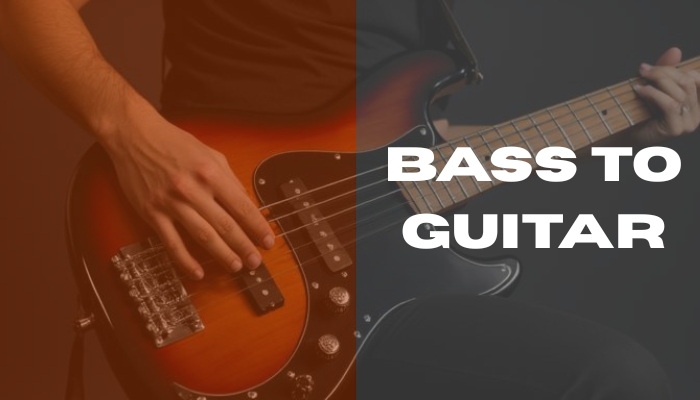
Understanding the Bass to Guitar Transition
Moving from bass to guitar is a natural step for many musicians. Both instruments share tuning logic, fretboard layouts, and musical roots, yet the experience of playing them is fundamentally different. We approach this transition not as a challenge, but as an opportunity to expand musical range, creativity, and versatility.
Bass players already possess strong rhythmic awareness, timing discipline, and harmonic understanding. These strengths form a solid foundation for guitar playing. What changes is how we apply those skills across more strings, higher registers, and a more chord-focused role.
Key Structural Differences Between Bass and Guitar
Before adjusting the technique, we must clearly understand the physical and musical differences.
Bass guitars usually have four strings, longer scale lengths, thicker strings, and wider fret spacing. Their role emphasises groove, low-end support, and rhythmic stability.
Guitars typically feature six strings, shorter scale lengths, lighter strings, and closer frets. They focus on harmony, melody, texture, and articulation.
This shift affects hand position, finger pressure, picking style, and musical thinking. Recognising these changes early prevents frustration and accelerates progress.
Fretboard Knowledge Transfers Easily
One of the biggest advantages in the bass-to-guitar journey is familiarity with the fretboard. Notes repeat in the same patterns. Octaves align similarly. Root notes behave the same way.
What expands is the range and density. Two extra strings add harmonic depth. Chord shapes become more complex. Scale patterns overlap more frequently.
We recommend mapping familiar bass scales across all six guitar strings. This reinforces confidence while revealing new melodic pathways.
Adjusting Left Hand Technique
Bass players often use heavier finger pressure and wider hand stretches. On guitar, this approach can slow us down.
We shift toward:
- Lighter finger pressure
- More compact finger movement
- Thumb positioned behind the neck
- Relaxed wrist angles
These adjustments improve speed, clarity, and endurance. Guitar rewards efficiency. Every unnecessary movement reduces precision.
Right Hand Technique and Picking Control
Bass players often rely on fingerstyle plucking. While this transfers well to certain guitar styles, the guitar introduces new picking demands.
We focus on:
- Alternate picking
- Hybrid picking
- Controlled strumming
- Dynamic attack variation
Learning how pick angle and pressure affect tone is critical. Guitar strings respond quickly and expose inconsistencies immediately.
Chord Shapes and Harmonic Thinking
Bass players think linearly. A guitar requires vertical thinking.
We move from single note lines to:
- Open chords
- Barre chords
- Triads
- Seventh chords
- Extended voicings
Understanding chord construction helps avoid memorisation traps. When we know why a chord works, we can move it, modify it, and voice it creatively.
Bass players already understand harmony. Guitar visualises it differently.
Rhythm Changes on Guitar
Bass anchors rhythm. The guitar interacts with it.
On guitar, rhythm becomes:
- More syncopated
- More layered
- More percussive
We learn to lock with the drummer while leaving space for the bass. This role reversal improves overall musicianship and band awareness.
Practising with a metronome and drum loops sharpens groove control across both instruments.
Tone and Gear Considerations
Bass tone emphasises depth and consistency. Guitar tone emphasises character and expression.
We explore:
- Clean vs overdriven tones
- Pickup selection
- Volume and tone knob dynamics
- Effects such as delay, reverb, and modulation
The guitar responds dramatically to even the smallest adjustments. Subtle changes create noticeable results.
Understanding signal chain basics helps us shape sound intentionally rather than randomly.
Musical Styles That Favour Bass to Guitar Players
Certain genres reward bass players transitioning to guitar.
These include:
- Blues
- Funk
- Jazz
- Indie rock
- Alternative
- Fusion
These styles value groove, phrasing, and note choice over speed. Bass players often excel here because they already think musically, not mechanically.
Common Mistakes to Avoid
We often see bass players struggle due to avoidable habits.
Key mistakes include:
- Pressing too hard on the frets
- Overplaying chords
- Ignoring muting techniques
- Treating the guitar like a high-pitched bass
- Skipping rhythm practice
Awareness corrects these issues early, leading to faster musical results.
Practice Strategies That Work
Effective practice accelerates the bass-to-guitar transition.
We recommend:
- Daily chord drills
- Scale practice across all strings
- Rhythm pattern repetition
- Playing along with songs
- Recording practice sessions
Short, focused sessions outperform long, unfocused ones. Consistency builds muscle memory and confidence.
Mental Shift From Support to Expression
The biggest change is psychological.
Bass supports.
The guitar expresses.
We move from holding the foundation to shaping emotion, mood, and direction. This shift unlocks songwriting, soloing, and arrangement skills.
Bass players often underestimate their creative potential on guitar. Once unlocked, the transition becomes inspiring rather than intimidating.
Why Bass Players Often Become Strong Guitarists
Bass players listen deeply. They value timing. They understand structure.
These traits create guitarists who:
- Serve the song
- Avoid unnecessary notes
- Play with intention
- Respect musical space
This makes them valuable in bands, studios, and collaborations.
Final Thoughts on Bass to Guitar Mastery
The journey from bass to guitar is not about starting over. It is about expanding perspective.
We bring rhythm, harmony, and discipline into a new expressive role. With proper technique adjustments, focused practice, and a clear mindset, the guitar becomes a powerful extension of existing musical identity.
This transition strengthens musicianship across both instruments and opens new creative directions that last a lifetime.
If you want to read more information, visit