
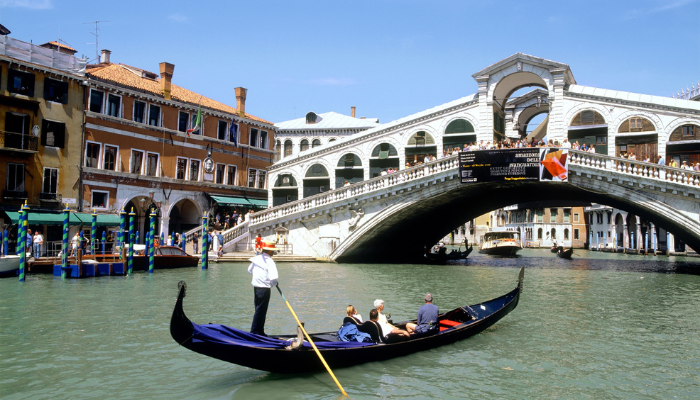
When people imagine Venice, they often picture narrow canals, stone bridges, and a sleek black boat gliding quietly through the water. That boat is the gondola, or gondolák in Hungarian usage, and it is far more than a tourist attraction. It is a working vessel shaped by centuries of history, engineering, tradition, and daily life on water.
Gondolák represent Venice itself. They reflect the city’s relationship with the sea, its social customs, and its unique approach to design and craftsmanship. To understand gondolák is to understand how Venice learned to live without roads, how its people moved, and how beauty and practicality merged into one of the most recognizable boats in the world.
This article explores the origins, construction, symbolism, and modern role of gondolák, offering a complete picture of why they continue to fascinate travelers and historians alike.
What Are Gondolák?
Gondolák are traditional Venetian rowing boats designed for navigating shallow canals and narrow waterways. They are long, narrow, and flat-bottomed, which allows them to glide smoothly through water that is often less than a meter deep.
Unlike most boats, gondolák are asymmetrical. This detail surprises many people, but it is essential to their function. Gondoliers row with a single oar on one side, and the uneven shape helps keep the boat moving straight.
While today gondolák are closely linked with romance and tourism, they were once the primary form of transportation in Venice. For centuries, everyone used them, from merchants and craftsmen to nobles and political leaders.
The Origins of Gondolák
The first written records of gondolák date back to the 11th century. At that time, Venice was already a thriving maritime republic built on islands and canals. Roads were limited, and boats were essential for daily movement.
Early gondolák looked different from modern ones. They were wider, shorter, and often decorated in bright colors. Wealthy families used elaborate designs to show status, turning gondolák into floating displays of power and style.
As Venice grew more crowded, canals became busier. Over time, the design of gondolák evolved to be slimmer and more efficient. By the 17th century, their basic shape was close to what we see today.
Why Gondolák Are Black
One of the most striking features of gondolák is their black color. This was not always the case. In earlier centuries, gondolák were richly decorated with fabrics, carvings, and paint.
In the early 1600s, Venetian authorities passed laws to control excess and competition among noble families. These rules limited decoration and required gondolák to be painted black. The decision also had practical benefits. Black pitch and varnish protected the wood from water damage.
Today, the black gondola has become a symbol of elegance and simplicity. While small decorative elements are still allowed, the overall appearance remains uniform, linking every gondola to centuries of tradition.
The Craftsmanship Behind Gondolák
Building a gondola is a slow and highly specialized process. Traditional gondolák are still handmade in boatyards called squero. Only a few of these workshops remain in Venice today.
Each gondola is made from around 280 individual wooden pieces and uses eight different types of wood, including oak, walnut, cherry, fir, and elm. Each wood serves a specific purpose, chosen for strength, flexibility, or resistance to water.
The construction process can take several months. Builders follow techniques passed down through generations, often without written plans. Much of the knowledge exists through experience and apprenticeship rather than formal instruction.
The Asymmetrical Design Explained
One of the most fascinating aspects of gondolák is their asymmetry. The left side of the boat is slightly longer than the right. This imbalance compensates for the gondolier’s position and rowing style.
Gondoliers stand at the back and row with a single oar on the right side. Without the asymmetrical shape, the boat would constantly turn in circles. Instead, the uneven design helps keep the gondola moving forward in a straight line.
This feature shows how gondolák are shaped not only by water but also by the human body and movement. Every curve serves a purpose.
The Role of the Gondolier
The gondolier is as important as the gondola itself. Becoming a licensed gondolier requires years of training and passing difficult exams. Candidates must learn rowing techniques, navigation rules, local history, and even foreign languages.
Gondoliers use a special oar called a remo and a carved wooden support called a forcola. The forcola has multiple curves and notches that allow different rowing positions, depending on speed and direction.
Traditionally, gondoliering was a family profession passed from father to son. While this is still common, modern regulations have opened the profession to a broader group, including women.
Gondolák and Daily Life in Old Venice
Before motorboats, gondolák were central to Venetian life. People used them for commuting, trading goods, attending social events, and even transporting the sick.
Nobles often traveled in private gondolák with enclosed cabins called felze. These cabins provided privacy and protection from the weather. They also allowed discreet meetings, which became part of Venetian legend.
For ordinary citizens, gondolák functioned like taxis. Public gondolas operated on fixed routes, much like buses today. This made water travel accessible to everyone.
Symbolism and Cultural Meaning
Gondolák carry deep symbolic meaning. They represent a balance between beauty and function, tradition and adaptation. Their gentle movement reflects Venice’s slow rhythm of life, shaped by tides rather than traffic lights.
In art and literature, gondolák often symbolize romance, mystery, and melancholy. Writers and painters have used them as metaphors for love, passage, and time.
The curved metal prow, known as the ferro, also holds symbolic meaning. Its shape represents the districts of Venice and the curve of the Grand Canal. This detail turns the gondola into a map of the city itself.
Read Also: cadibara
Gondolák in Modern Venice
Today, gondolák are no longer the main form of transportation. Water buses, taxis, and private motorboats handle most daily travel. Still, gondolák remain active and relevant.
They serve as a bridge between Venice’s past and present. Tourists experience the city at water level, moving slowly through quiet canals that larger boats cannot enter. For many visitors, a gondola ride becomes a highlight of their journey.
Gondolák are also used for ceremonies, festivals, and historic reenactments. Regattas and rowing events keep traditional skills alive and visible.
Economic Importance of Gondolák
Gondolák play a significant role in Venice’s economy. Tourism supports gondoliers, boat builders, maintenance workers, and related crafts.
Each gondola requires constant care. Wood must be treated, metal polished, and the hull adjusted regularly. This ongoing maintenance supports skilled labor and preserves traditional knowledge.
While tourism brings challenges, gondolák help sustain parts of Venice’s cultural economy that might otherwise disappear.
Environmental Considerations
Modern Venice faces environmental pressures, including rising water levels and increased motor traffic. Gondolák, being human-powered, has a low environmental impact.
Some argue that promoting traditional rowing boats helps preserve the city’s fragile ecosystem. Unlike motorboats, gondolák create minimal waves, reducing damage to canal walls and foundations.
This has renewed interest in non-motorized transport and traditional boating skills.
Gondolák Beyond Venice
While gondolák are uniquely Venetian, their influence has spread worldwide. Gondola-style boats appear in themed attractions, hotels, and canals far from Italy.
However, true gondolák can only be built in Venice, following strict regulations. Authenticity is closely guarded, ensuring that the craft remains tied to its birthplace.
This exclusivity adds to their mystique and cultural value.
Common Myths About Gondolák
Many people believe gondolák are designed purely for romance. In reality, their form comes from practical needs and centuries of refinement.
Another myth is that all gondoliers sing. While singing does happen occasionally, it is not a standard part of the job and often involves hired musicians.
Understanding these myths helps separate the romantic image from the real working tradition.
The Future of Gondolák
The future of gondolák depends on balance. Preservation must coexist with modern life. Training new gondoliers, supporting traditional workshops, and managing tourism responsibly are all part of this challenge.
Technology may assist with documentation and education, but the heart of gondola culture remains human skill and experience. As long as Venice exists as a living city, gondolák are likely to remain part of its identity.
Why Gondolák Still Matters
Gondolák endures because it solves a specific problem beautifully. They are perfectly adapted to their environment, shaped by water, wood, and human movement.
They remind us that transportation does not have to be loud or fast to be effective. Sometimes, the best solutions come from patience, observation, and respect for nature.
In a rapidly changing world, gondolák offer a lesson in continuity and care.
Final Thoughts
Gondolák are not frozen in the past. They are living objects, still built, rowed, repaired, and celebrated. Each one carries the weight of history while remaining practical in the present.
To watch a gondola glide through a quiet canal is to witness centuries of knowledge in motion. It is a reminder that tradition can remain relevant when it continues to serve real needs.
If you want to read more information, visit