
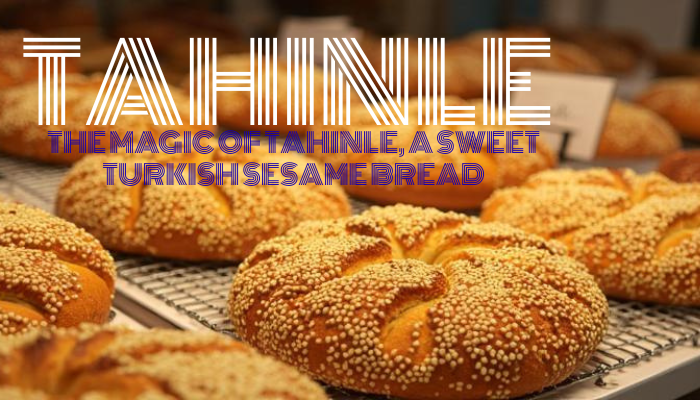
If you have ever wandered through the bustling streets of a Turkish city or explored the aromatic depth of a traditional Levantine bakery, you might have encountered a pastry that captivates the senses long before it touches the tongue. This culinary masterpiece, known as Tahinle or Tahinli Pide, represents one of the most harmonious marriages of ingredients in Middle Eastern cuisine. At its core, Tahinle is a spiral of soft, enriched dough, generously slathered with tahini and sugar, then baked to a deep, golden brown.
It is not merely a breakfast item or a tea-time snack, but rather a cultural institution that celebrates the ancient flavour of sesame in a way few other dishes can. The experience of eating one is textural and complex, offering a crispy exterior that gives way to a tender, flaky interior, where the nutty richness of the sesame paste balances perfectly with the sweetness of the sugar.
For those uninitiated in the world of sesame pastries, the concept of a sweet tahini bread might seem unusual, as tahini is often associated with savoury dishes like hummus or baba ganoush in the West. However, in Turkey, Armenia, and Greece, the ingredient is revered for its versatility and its ability to act as a rich fat source in baking. Tahinle takes full advantage of this property.
The tahini does not just provide flavour; it actually helps to laminate the dough much like butter does in a croissant. When the dough is rolled out flat, spread with sesame paste, and coiled, it creates distinct layers that separate during baking. The result is a pastry that feels substantial and heavy in the hand yet melts delicately in the mouth. It creates a warming comfort that pairs exceptionally well with a glass of strong black tea or a cup of dark coffee, making it a staple for crisp mornings and lazy afternoon gatherings alike.
A Journey Through History and Origins
The roots of Tahinle run deep into the history of the Anatolian and Levantine regions, where sesame has been cultivated for thousands of years. While pinpointing the exact origins can be difficult due to the fluid nature of culinary history in the Ottoman territories, the city of Bursa, Turkey, is frequently cited as the spiritual home of this specific iteration of tahini bread. In Bursa, the Tahinli Pide is a legendary breakfast item, and locals often have strong opinions about which bakery produces the finest version. It is a city that takes its baking seriously, and the tradition of making these swirls has been passed down through generations of masters who understand exactly how the dough should feel and exactly how much sugar is required to achieve the perfect caramelisation.
Beyond Turkey, variations of this pastry exist throughout the Eastern Mediterranean and the Caucasus. In Armenian cuisine, there is a similar bread known as Tahinov Hatz, which shares the same dough, tahini, and sugar as its DNA. This widespread popularity speaks to the fundamental appeal of the ingredients.
Historically, these breads were particularly valued during periods of fasting, such as Lent, because they could be made without dairy or eggs while still providing a high-calorie, energy-rich food source thanks to the oils in the sesame seeds. Over time, however, the recipe evolved from a functional fasting food into a beloved indulgence. Today, it stands as a testament to the enduring legacy of the region’s bakers, who turned simple pantry staples into a treat that feels luxurious and sophisticated.
The Anatomy of Flavour and Texture
Understanding the allure of Tahinle requires a deep dive into its flavour profile, which is a study in contrasts. The primary flavourflavour driver, of course, is the tahini. High-quality tahini should taste toasted, earthy, and slightly bitter. When this bitterness meets the granulated sugar sprinkled within the layers, a magical transformation occurs. The sugar dissolves into the sesame paste’s oils during baking, creating a sort of halva-like cream inside the bread.
It is sweet, but not cloyingly so, as the savoury undertones of the sesame keep the sugar in check. This balance is what makes Tahinle so dangerous to the appetite; because it is not overwhelmingly sweet like a doughnut or a cake, it is very easy to consume the entire pastry without feeling the sugar crash immediately.
Texture plays an equally vital role in the enjoyment of Tahinle. The dough is typically yeast-leavened wheat, which yields a soft, chewy crumb. However, because the dough is rolled thin and layered with the oily tahini, the edges of the pastry often fry slightly in their own fat while baking.
This creates a crust that is delightfully friable and crisp. Some bakers choose to sprinkle additional sesame seeds on top before baking, adding a pop of texture and reinforcing the nutty aroma. Inside the spiral, the texture is softer and denser, often reminiscent of dense brioche, but with the distinct, creamy mouthfeel that only sesame paste can deliver. When fresh from the oven, the filling is molten and aromatic, but even at room temperature, the pastry retains a pleasant chewiness, making it an excellent snack for travel.
The Art of Preparation
Creating an authentic Tahinle is a labour of love that requires patience and a gentle touch. It begins with the dough, which must be kneaded until it is smooth and elastic. This elasticity is crucial because the dough needs to be stretched quite thin without tearing to accommodate the filling. Once the dough has risen and relaxed, the baker rolls it out into a large, thin circle or rectangle. This is the moment where the magic happens.
A generous mixture of tahini and sugar is spread across the surface, reaching every corner. Some variations might include chopped walnuts or pistachios at this stage, adding a crunchy element that complements the soft dough. The dough is rolled into a long log, sealing in the tahini, then coiled into a snail shell to form the classic round shape.
The baking process is where the chemistry of the ingredients truly shines. As the Tahinle bakes, the sugars begin to caramelise, turning parts of the crust deep mahogany. The tahini bubbles and seeps slightly into the dough, enriching the crumb. The aroma that fills the kitchen during this process is intoxicating, smelling of roasted nuts, yeast, and caramel. It is a scent that evokes feelings of home and hospitality. Professional bakers know exactly when to pull the trays from the oven to ensure the bottoms are crispy, but the centres remain moist. Once cooled, the pastry sets slightly, allowing the layers to firm up, making it easier to handle and eat.
Serving Traditions and Modern Variations
In its traditional setting, Tahinle is rarely eaten on its own. It is a social food, meant to be shared at a breakfast table laden with olives, white cheese, tomatoes, and cucumbers. The savoury elements of a Turkish breakfast provide a wonderful counterpoint to the sweetness of the tahini roll. It is almost mandatory to serve it with tea; the tannins in the tea cleanse the palate of the rich sesame oil, preparing you for the next bite. In modern cafes across Istanbul and beyond, you might find it served alongside a latte. Still, the purists will always insist that tea is the only unparalleled companion for this specific pastry.
While the classic recipe remains the most popular, modern bakers have begun to experiment with the format. Some introduce spices like cinnamon or cardamom into the sugar mixture to give it a warmer, more aromatic profile. Others might drizzle the finished product with honey or a grape molasses called pekmez for an extra layer of sweetness and shine. There are even versions that incorporate chocolate, though traditionalists might argue that this masks the delicate flavour of the sesame. Regardless of the variation, the soul of the dish remains the same. It is a celebration of simple, wholesome ingredients coming together to create something greater than the sum of its parts. Whether you buy it from a historic bakery in Bursa or attempt to bake it in your own kitchen, Tahinle offers a delicious glimpse into the rich culinary heritage of the Middle East.
Frequently Asked Questions (FAQ)
1. Is Tahinle suitable for vegans?
Yes, in many traditional recipes, Tahinle is naturally vegan. The dough is typically made with flour, water, yeast, and oil, and the filling consists only of tahini and sugar. However, some bakeries might use milk or butter in their dough to enrich it, or brush the top with egg wash for shine. If you are strictly vegan, it is always best to ask the baker or check the specific recipe to ensure no animal products were used.
2. How should I store leftover Tahinle?
Because of the oil content in the tahini, Tahinle stays moist for quite a while. It is best stored in an airtight container at room temperature for up to three days. If you need to keep it longer, you can freeze the pastries. To refresh them, simply thaw them and warm them in a low oven or toaster oven for a few minutes to restore the crust’s crispiness and the interior’s softness.
3. What is the difference between Tahinle and a cinnamon roll?
While they share a similar spiral shape and are both sweet yeast breads, the flavour profiles are completely different. A cinnamon roll relies on butter, cinnamon, and often a cream cheese icing. Tahinle relies on tahini (sesame paste) as the primary fat and flavour source, giving it a nutty, earthy taste rather than a spicy one. Additionally, Tahinle is generally not frosted, as the sweetness comes from the sugar inside the layers.
4. Can I reduce the sugar in Tahinle?
You can certainly adjust the sugar to your preference if you are making it at home. However, it is important to remember that sugar plays a structural role in creating the caramelised texture within the layers. Reducing it too much might result in a filling that feels a bit dry or pasty. Some bakers use coconut sugar or a mix of honey and tahini as alternatives to sweeten the bread, adding different flavour nuances.
5. Is Tahinle considered a dessert or a breakfast item?
In Turkey and the surrounding regions, it is primarily considered a breakfast item or a tea-time snack rather than a dessert served after dinner. It falls into the category of “hamur işi,” which refers to pastries and dough-based foods. Its sweetness level is moderate compared to that of heavy desserts like baklava, making it appropriate for a morning meal alongside savoury items like cheese and olives.
If you want to read more information, visit