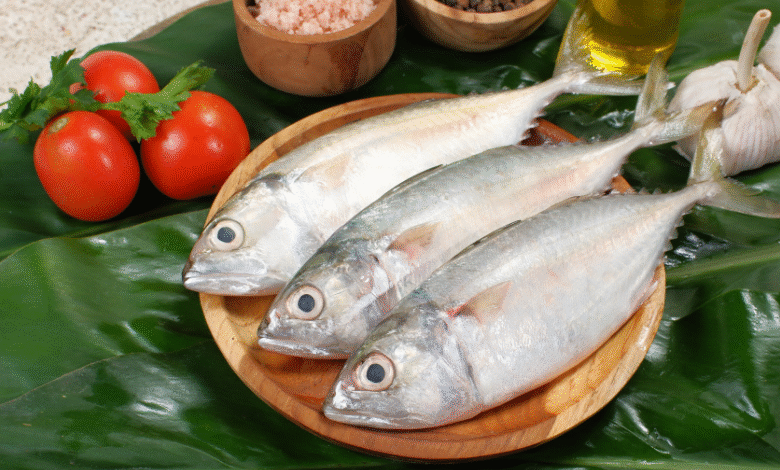
If you’ve ever walked through a seafood market, you’ve probably noticed the shiny, striped body of mackerel fish. It’s not as famous as salmon or tuna, but it has been a staple in coastal diets for centuries. I first tried mackerel when I was visiting a friend in Portugal, where it was grilled fresh with just a squeeze of lemon. The flavor was rich, slightly oily, and incredibly satisfying. From that moment, I started to include it in my own meals back home. In this guide, I’ll share everything I’ve learned about mackerel, from its nutritional profile to cooking tips, health benefits, risks, and even sustainability concerns.
What is Mackerel?
Mackerel is a group of fast-swimming, oily fish found in both temperate and tropical seas. There are different species like Atlantic mackerel, Spanish mackerel, and King mackerel. The size and flavor can vary, but most are rich in healthy fats and proteins. What I like about mackerel is that it is usually more affordable than salmon yet still packs a strong nutritional punch.
Nutritional Value of Mackerel
Mackerel is often called a “superfish” because of its dense nutrient profile. A standard serving (about 100 grams) provides:
-
Calories: Around 205
-
Protein: 19 grams
-
Fat: 13 grams (most of it healthy unsaturated fat)
-
Omega-3 fatty acids: 2.5 to 3 grams
-
Vitamin D, B12, and selenium
The omega-3 content is where mackerel really shines. These fats help reduce inflammation and improve cardiovascular health. Compared to salmon, mackerel often contains even more omega-3 per gram.
Health Benefits of Mackerel
1. Heart Health
Mackerel’s omega-3 fatty acids lower triglycerides and reduce the risk of clogged arteries. My father’s doctor once recommended adding more fatty fish like mackerel to his diet after his cholesterol levels went up. He started eating grilled mackerel twice a week, and within months, his blood results improved.
2. Brain and Mood
Omega-3 is also linked to better brain function and lower risk of depression. I notice that when I include fish like mackerel in my weekly diet, I feel more focused and energized compared to weeks when I rely on heavier meats.
3. Weight Management
Because mackerel is high in protein, it helps you stay full for longer. If you’re trying to lose weight, replacing red meat with mackerel can be a good step.
4. Bone and Skin Health
Mackerel contains vitamin D and selenium, both important for bone strength and skin repair. I personally find that eating oily fish helps keep my skin less dry, especially during winter.
Read Also: Katie Johnson: From Football Fields to Film Sets and Controversies Around the Name
Risks and Precautions
Mercury Levels
Some species of mackerel, like King mackerel, have higher mercury levels and should be avoided, especially for pregnant women and children. Atlantic mackerel is considered a safer option with lower mercury.
Allergies
Like other fish, mackerel can trigger allergies in some people. If you’re trying it for the first time, start with a small portion.
How to Choose Safe Mackerel
Always buy from trusted sources. Fresh mackerel should smell clean, not overly fishy, and the flesh should be firm.
Cooking and Eating Mackerel
Mackerel is versatile. You can:
-
Grill it: Simple, with lemon and salt.
-
Bake it: With garlic, herbs, and olive oil.
-
Pan-fry it: Quick and crispy.
-
Eat canned mackerel: Affordable and convenient.
-
Try smoked mackerel: Rich flavor, great in salads.
When I first cooked mackerel at home, I grilled it with just olive oil, salt, and pepper. The skin crisped up beautifully, and I didn’t miss having a heavy sauce. Beginners can try canned mackerel mixed into pasta or salads—it’s almost impossible to mess up.
My Personal Experience with Mackerel
I wasn’t always a big seafood fan. Tuna and salmon felt safer because they’re more common. But when I started exploring different cuisines, mackerel kept showing up. In Japan, it’s served as “saba,” often grilled or in sushi. In the UK, smoked mackerel is popular. After trying it in different styles, I learned to appreciate its strong, savory flavor. Now I buy canned mackerel as an affordable lunch option and fresh fillets when I want something special.
Sustainability and Why It Matters
Seafood sustainability is something we can’t ignore. Overfishing has put pressure on many fish populations. The good news is that Atlantic mackerel is generally considered a sustainable choice, especially when line-caught. If you care about the environment, look for certifications like MSC (Marine Stewardship Council) when shopping for fish.
Conclusion
Mackerel is one of those underrated fish that deserves a place in more kitchens. It’s affordable, nutrient-rich, versatile, and supports both heart and brain health. While you do need to watch out for mercury in certain species, choosing Atlantic mackerel or canned options from trusted brands makes it a safe and sustainable choice. Personally, I find it more flavorful than salmon and easier to cook than tuna. If you’ve never tried it, start simple: grill a fillet with lemon and garlic. You might be surprised at how quickly it becomes a regular part of your meals.
FAQs
1. Is mackerel healthier than salmon?
Yes and no. Both are rich in omega-3, but mackerel often has higher levels. Salmon, however, tends to have lower mercury levels overall.
2. Can you eat canned mackerel every day?
Yes, in moderation. It’s safe, affordable, and nutritious. Just watch out for sodium levels in some canned versions.
3. How does mackerel taste?
It has a rich, oily, slightly salty taste. Stronger than salmon but not as intense as anchovies.
4. Is smoked mackerel healthy?
It’s still full of nutrients, but it can be high in sodium. Best enjoyed occasionally.
5. What’s the safest type of mackerel to eat?
Atlantic mackerel is the best choice due to its low mercury levels.