

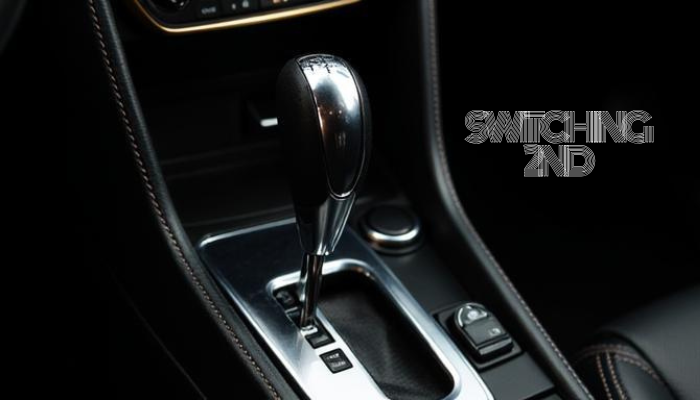
For many drivers, the journey of mastering a manual transmission begins with a shaky first gear and a hopeful prayer. However, once you get the car rolling, you encounter the most important transition in the entire gearbox: switching into second gear. This specific movement is the bridge between a crawling start and the fluid momentum of open road driving.
Why the Second Gear Transition Matters
The leap from first to second is statistically the widest gap in most transmission systems. While first gear is designed almost exclusively to overcome inertia and get the wheels turning, second gear is the workhorse of city driving and low-speed manoeuvring. Because the gear ratios are so different, a clumsy shift here results in that infamous “bucking” sensation that can bruise both your ego and your passenger’s neck.
Understanding the mechanics makes the process much more intuitive. When you depress the clutch pedal, you disconnect the engine from the wheels. In that brief moment of silence, the engine speed (RPM) begins to drop. To achieve a buttery-smooth shift, you must time the clutch re-engagement so that the engine speed matches the transmission speed.
The Steps to a Flawless Shift
- Build Sufficient Momentum: Do not rush the switch. Let the engine climb to a comfortable range, usually between 2,500 and 3,000 RPM, before you even think about moving the lever.
- The Fluid Pull: Unlike the push into first, switching to second should feel like a natural pull toward your hip. Ensure the lever passes through the neutral gate cleanly so the synchronizers can do their job.
- The Pause at the Friction Point: This is the secret sauce. Instead of dumping the clutch, let it up quickly until you reach the “bite point,” then pause for a fraction of a second. This allows the internal components to equalise.
- Coordinated Throttle: As you finish releasing the clutch, apply a gentle, steady pressure to the accelerator.
Common Mistakes to Avoid
Even seasoned drivers can fall into bad habits. One of the most frequent errors is “short shifting,” which involves moving into second gear far too early. This bogs down the engine and forces the vehicle to struggle, potentially causing long-term wear on the powertrain.
Another habit to break is “riding the clutch.” Your left foot should have two homes: the floorboard or the pedal during the actual act of shifting. Keeping your foot hovering against the pedal during the transition can cause unnecessary heat and friction, shortening the lifespan of your clutch disc.
The Psychological Component of Driving
There is a certain Zen to manual driving. It requires you to be physically connected to the machine. When you nail that perfect switch into second, the car feels like an extension of your own body. It turns a mundane commute into an engaging, tactile experience.
By focusing on the rhythm of the engine and the feel of the shifter, you move away from being a mere operator and become a true driver. Practice may not make perfect immediately, but it certainly makes the ride much more enjoyable for everyone involved.
If you want to read more information, visit